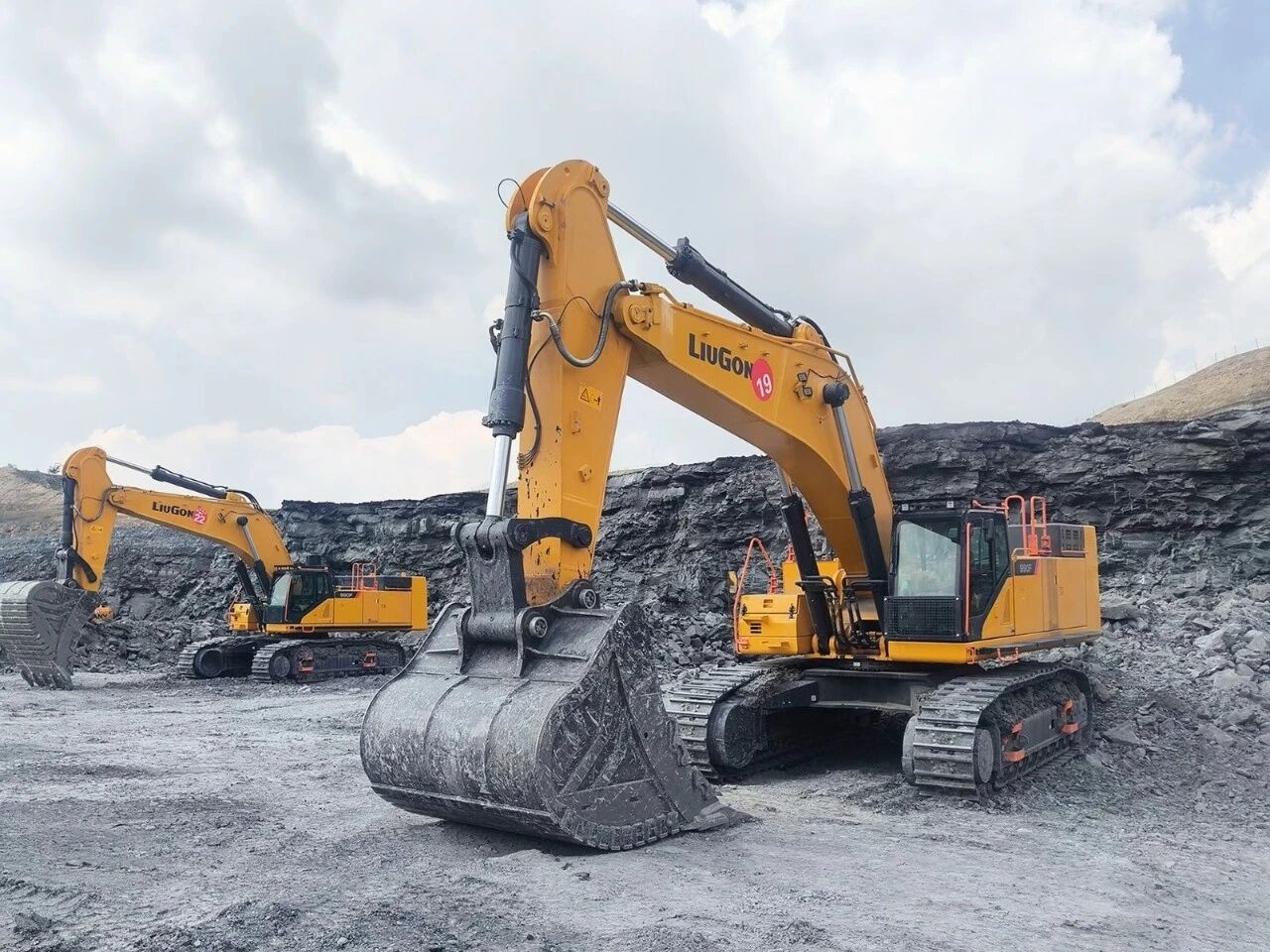
The Chinese excavator industry is advancing steadily toward high-quality development, with green development emerging as the defining keyword. With every upgrade to China’s off-road emission standards, Cummins has chosen to lead ahead of time—delivering ready-to-deploy engine solutions before regulations take effect, and empowering the industry with reliable excavator engine technology to drive green progress.
As early as the late 1990s, when China’s off-road emission standards were still in development, Cummins proactively introduced engine models compliant with U.S. EPA Tier 1, providing valuable technical references for the emerging industry and laying a solid foundation for the future development of green excavator engine technology.
1. More than one year before the implementation of China’s National Stage I standards in 2007, Cummins completed the R&D and mass production of the QSB3.3 series certified excavator engine, enabling equipment manufacturers to switch products ahead of schedule and secure a competitive edge with advanced engine power.
2. On the eve of National Stage III in 2014, Cummins optimized fuel filtration and EGR control logic for its engine models to address China’s variable fuel quality and unstable workloads in excavator operations. The result: NOₓ emissions 25% below limits and fuel consumption reduced by 10%, setting a benchmark for “emission reduction without performance compromise” and proving the superior efficiency of Cummins excavator engine power.
3. In 2019, while National Stage IV was still in draft, Cummins finished bench testing of its new-generation excavator engine at its East Asia R&D Center and opened data to partners, supporting them to start machine integration two years early. This ensured seamless adoption of Cummins engine models when Stage IV fully launched in 2023, guaranteeing uninterrupted power supply for excavator operations.
Custom-Engineered Excavator Engine for China’s Operating Conditions
National Stage IV brought stricter limits and more complex aftertreatment systems, posing higher requirements for the adaptability, reliability and economy of excavator engine power. Leveraging a local R&D team of over 200 engineers at the East Asia R&D Center, Cummins launched tailored engine models including the B4.5-C and L9-Cexcavator engine purpose-built for the Chinese market.
To combat high fuel contamination in some regions, Cummins raised fuel filtration efficiency of its excavator engine to over 99%, effectively protecting the high-pressure common rail system and extending the service life of engine core components. Responding to concerns over DPF maintenance costs, it refined regeneration logic of the engine to cut service frequency. These localized improvements turned “lower emissions without lost performance, greener operation at lower cost” into reality, making Cummins excavator engine the first choice for green transformation.
After three years of development, Cummins’ plateau-adapted excavator engine breaks through the problem of power attenuation caused by lack of oxygen at high altitudes, maintaining90% of rated power at 5,000 meters altitude and featuring real-time operating condition monitoring. Equipped with reliable engine power, these models have been widely deployed in landmark projects such as the Sichuan-Tibet Railway, demonstrating the durability of Cummins engine technology in extreme conditions.
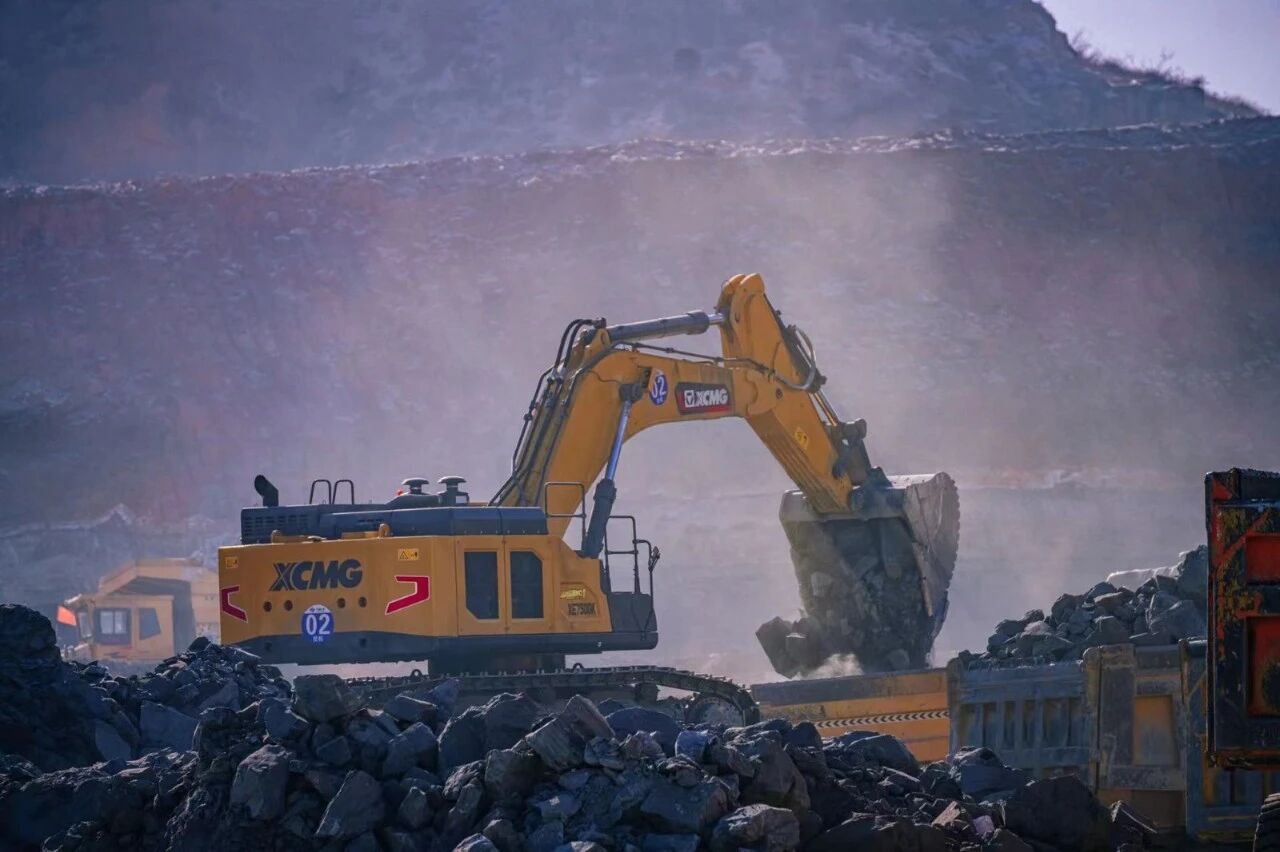
Forward-Looking: New Energy Power Beyond Compliance
Driven by China’s “Dual Carbon” goals, new energy has become core to construction machinery’s transformation. Cummins’ “China-Customized” strategy delivers targeted, high-impact results in this field, including the B7-P1 hybrid system developed exclusively for 40-ton class excavators in China—integrating Cummins engine technology, high-efficiency electric motor and intelligent controls to redefine excavator engine power for a low-carbon era.
The hybrid system automatically switches among pure electric, hybrid and direct-drive modes, combining the advantages of Cummins engine power and electric energy. It boosts fuel efficiency by 15%–20%, saving more than 3,000 liters of fuel and cutting over 8 tons of carbon per excavator annually. Equipped models now operate reliably in ports, municipal works and other scenarios, accelerating the green shift of large-tonnage equipment with innovative engine power solutions.
From National Stage I to Stage IV, from fuel optimization to hybrid breakthroughs, Cummins has walked alongside China’s excavator industry into a low-carbon future with early planning, shared technology and full-process support. Rather than merely complying with standards, Cummins actively defines a new era of efficient, clean excavator engine power, continuing to empower China’s excavator industry with world-class engine technology and drive the industry’s high-quality green development.


 Send Email
 Skype
Skype WhatsApp